◎ Mind

The examined life is not optional.

Books that changed how I think. Questions worth sitting with. Reflections on the interior journey that financial progress alone cannot complete.

Links marked "Buy on Amazon" are affiliate links. They cost you nothing extra and help support this site.

Cover of The Psychology of Money
Finance · Mindset★★★★★

The Psychology of Money

Morgan Housel

The book: Money is not math, it is behavior. Housel argues that doing well with money has little to do with intelligence and everything to do with how you think about uncertainty, time, and enough. The chapter on saving without a goal changed how I think about financial flexibility.

Jin's take: This is the first finance book I recommend to first-gen readers because it names the psychological layer that most financial advice ignores entirely. The immigrant money mindset, scarcity, hoarding, mistrust, is not irrational. It made sense once. Housel helps you understand why it no longer serves you without making you feel ashamed of it.

Buy on Amazon →
Cover of Meditations
Philosophy · Stoicism★★★★★

Meditations

Marcus Aurelius

The book: A Roman emperor's private journal, never intended for publication. Written as a series of reminders to himself about how to remain virtuous, disciplined, and grounded despite enormous power and constant adversity. The philosophy of controlling what you can and accepting what you cannot.

Jin's take: I return to this every year. It is particularly useful for the first-generation experience, so much of the immigrant journey involves uncertainty and conditions outside your control. Aurelius was, by any measure, a man of immense privilege who still wrestled with the same fundamental human challenges. That is oddly reassuring.

Buy on Amazon →
Cover of The 48 Laws of Power
Power · Strategy★★★★★

The 48 Laws of Power

Robert Greene

The book: A provocative survey of historical power dynamics, influence, manipulation, and self-protection drawn from centuries of history.

Jin's take: Highly readable and also easy to misuse. I think of it more as a warning label and a pattern book than a moral instruction manual. Read it so you can recognize it being used on you.

Buy on Amazon →
Cover of Outliers
Success · Context★★★★★

Outliers

Malcolm Gladwell

The book: A popular study of the hidden factors behind extraordinary success, including timing, opportunity, and cultural background.

Jin's take: Still worth reading for the context argument alone. Success is never just talent. That is a useful corrective for first-gen readers who were taught to blame themselves for everything.

Buy on Amazon →
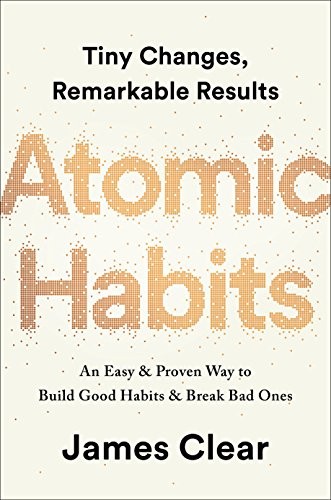
Cover of Atomic Habits
Habits · Systems★★★★★

Atomic Habits

James Clear

The book: A practical system for building better habits through tiny changes, identity shifts, and environment design.

Jin's take: Probably the most useful modern self-improvement book on the list. It makes discipline feel buildable instead of mystical. The identity reframe is the key idea, you become the kind of person who does the thing, not someone trying to do the thing.

Buy on Amazon →
Cover of The Art of War
Strategy · Classic★★★★★

The Art of War

Sun Tzu

The book: An ancient treatise on strategy, timing, adaptability, and the discipline of winning without unnecessary conflict.

Jin's take: It is short, but dense. The best lessons are about choosing terrain, conserving energy, and understanding that not every battle deserves your attention.

Buy on Amazon →
Cover of The Millionaire Master Plan
Wealth · Blueprint★★★★★

The Millionaire Master Plan

Roger James Hamilton

The book: A framework for moving through the nine levels of wealth by understanding your genius, building leverage, and creating systems that generate income independently of your time.

Jin's take: Useful for thinking in stages. The value is in seeing wealth as a structured progression rather than a vague aspiration. The Wealth Lighthouse concept reframes where most people are stuck versus where they want to be.

Buy on Amazon →
Cover of Deep Work
Productivity · Focus★★★★★

Deep Work

Cal Newport

The book: Newport argues that the ability to focus without distraction on cognitively demanding tasks is becoming rare and increasingly valuable. He offers a philosophy and a set of practices for cultivating deep, focused work in a world designed to fragment attention.

Jin's take: The section on scheduling every minute of your day felt extreme when I first read it. I tried it for two weeks. It turns out that the discomfort is not from the scheduling, it is from confronting how little of my day was actually going toward the things that mattered most.

Buy on Amazon →
Cover of When Breath Becomes Air
Life · Mortality★★★★★

When Breath Becomes Air

Paul Kalanithi

The book: A neurosurgeon is diagnosed with terminal lung cancer and writes a memoir about confronting death while deciding how to live the remaining time. It is not a book about cancer, it is a book about meaning.

Jin's take: I read this in two sittings and could not stop thinking about it for weeks. What would you do if you knew you had one year left? The question is not morbid, it is clarifying. First-gen families are often so focused on survival and obligation that the question of a meaningful life can feel like a luxury. It is not. It is the point.

Buy on Amazon →
Cover of The Alchemist
Fiction · Journey★★★★★

The Alchemist

Paulo Coelho

The book: A short allegorical novel about a shepherd boy who travels from Spain to Egypt in search of treasure. Every person he meets teaches him something about following your personal legend, the thing your soul came here to do.

Jin's take: I know this is polarizing. People either find it profound or they find it simplistic. I find it useful as a periodic reset, a reminder that the upstream journey is not just toward financial security but toward something larger. Worth reading once. Worth keeping on your shelf.

Buy on Amazon →
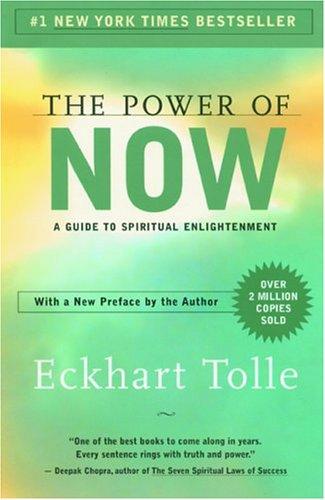
Cover of The Power of Now
Spirituality · Presence★★★★★

The Power of Now

Eckhart Tolle

The book: A guide to stepping out of compulsive thinking and into presence. Tolle argues that much of human suffering comes from identification with the mind and resistance to the present moment.

Jin's take: This book is less about productivity than relief. It is useful when your mind is running too far ahead of your life. That happens a lot in first-gen families, where the future can feel like a permanent emergency. The reminder to return to the present is valuable.

Buy on Amazon →
Cover of Start with Why
Leadership · Purpose★★★★★

Start with Why

Simon Sinek

The book: A case for leading with purpose before tactics. Sinek argues that people buy into why you do something before they care about what you do or how you do it.

Jin's take: Good for clarifying message and mission. It is not the deepest book on this list, but it is helpful if you are building anything public and want the story to feel coherent.

Buy on Amazon →
Cover of The Cat Who Taught Zen
Wisdom · Simplicity★★★★★

The Cat Who Taught Zen

James Norbury

The book: A gentle illustrated story about a cat and a monk exploring calm, compassion, and the value of slowing down.

Jin's take: Soft, simple, and easy to return to. I like books that create space rather than noise, and this one does that well.

Buy on Amazon →
Cover of The Way Forward
Healing · Reflection★★★★★

The Way Forward

Yung Pueblo

The book: An invitation to heal old habits, practice honesty, and move through life with more clarity and less reactivity.

Jin's take: This sits in the zone of emotional housekeeping. If you are building a life while also unlearning old patterns, books like this help you notice what you carry around unnecessarily.

Buy on Amazon →
Cover of Surrounded by Idiots
Communication · Types★★★★★

Surrounded by Idiots

Thomas Erikson

The book: A popular personality framework for understanding different communication styles and reducing friction in relationships and work.

Jin's take: Useful as a conversation starter, but best read lightly. The real value is in thinking more carefully about how different people process information and conflict.

Buy on Amazon →
Cover of Surrounded by Psychopaths
Communication · Boundaries★★★★★

Surrounded by Psychopaths

Thomas Erikson

The book: A follow-up that frames manipulative behavior, boundaries, and interpersonal dynamics through Erikson's style-based lens.

Jin's take: Again, useful in moderation. The strongest takeaway is simple: keep your boundaries clean, and do not confuse charm with character.

Buy on Amazon →
Cover of 8 Rules of Love
Relationships · Love★★★★★

8 Rules of Love

Jay Shetty

The book: A relationship guide that blends practical advice, reflection, and advice drawn from Eastern philosophy.

Jin's take: Readable and straightforward. Most useful for people who want to be more intentional about how they show up in relationships instead of just hoping chemistry does the work.

Buy on Amazon →
Cover of See You at the Top
Motivation · Classic★★★★★

See You at the Top

Zig Ziglar

The book: A classic personal development book focused on optimism, habits, self-image, and success principles.

Jin's take: Very old-school, but the core message still lands: self-image matters, consistency matters, and you need a framework for how you talk to yourself.

Buy on Amazon →
Cover of The Decision Book
Thinking · Frameworks★★★★★

The Decision Book

Mikael Krogerus & Roman Tschäppeler

The book: A compact collection of models for making better decisions, thinking more clearly, and simplifying complex choices.

Jin's take: A great desk book. The value is not in memorizing models, it is in training yourself to slow down and choose with more structure.

Buy on Amazon →
Cover of The Book of Five Rings
Strategy · Discipline★★★★★

The Book of Five Rings

Miyamoto Musashi

The book: A classic text on strategy, timing, and mental discipline written by one of Japan's most famous swordsmen.

Jin's take: Short, sharp, and worth revisiting. It is less about swords than about attention, posture, and the discipline to meet reality directly.

Buy on Amazon →
Cover of Read People Like a Book
Communication · Observation★★★★★

Read People Like a Book

Patrick King

The book: A practical guide to reading nonverbal cues, emotional patterns, and social behavior more effectively.

Jin's take: Useful for noticing patterns, but do not use it to become suspicious of everyone. Better to read behavior carefully and with humility.

Buy on Amazon →
Cover of Getting Things Done
Productivity · Systems★★★★★

Getting Things Done

David Allen

The book: The classic productivity system built around capturing, clarifying, organizing, reflecting, and doing.

Jin's take: Still one of the best operational books ever written. If your mind feels overloaded, this gives you a way to stop carrying everything in your head.

Buy on Amazon →
Cover of The 5 Second Rule
Behavior · Action★★★★★

The 5 Second Rule

Mel Robbins

The book: A simple method for interrupting hesitation by counting down and taking action before your brain talks you out of it.

Jin's take: Ridiculously simple, which is exactly why it works. Good for breaking inertia. Not profound, but effective.

Buy on Amazon →
Cover of Dopamine Nation
Behavior · Balance★★★★★

Dopamine Nation

Anna Lembke

The book: A look at addiction, modern overstimulation, and why the brain struggles to stay balanced in a world of constant reward.

Jin's take: One of the clearest books on why so many people feel compulsive, restless, and under-satisfied. Very relevant to the modern attention economy.

Buy on Amazon →
Cover of The Subtle Art of Not Giving a F*ck
Mindset · Priorities★★★★★

The Subtle Art of Not Giving a F*ck

Mark Manson

The book: A blunt take on values, limits, and choosing what actually deserves your energy.

Jin's take: The title is louder than the ideas, but the core message is solid: you cannot care about everything equally. Prioritization is a form of peace.

Buy on Amazon →
Cover of Buy Back Your Time
Business · Leverage★★★★★

Buy Back Your Time

Dan Martell

The book: A framework for using leverage, delegation, and systems to reclaim time for the highest-value work.

Jin's take: Very practical if you are building anything beyond a paycheck. The central idea is simple: protect your time like capital.

Buy on Amazon →
Cover of The 4-Hour Workweek
Business · Escape★★★★★

The 4-Hour Workweek

Tim Ferriss

The book: A famous book about designing work and life for freedom, automation, and mobility.

Jin's take: A bit dated, but still influential. The best takeaway is not the lifestyle hype, it is the idea that you can redesign your defaults instead of accepting them.

Buy on Amazon →
^